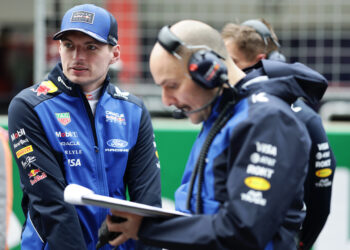

The Formula 1 paddock is officially on notice: Christian Horner is a free agent. After months of negotiation following his dismissal from Red Bull Racing, Horner has finalised a settlement that not only concludes his two-decade tenure but also clears the path for a return with a rival team in 2026.
The long-serving team principal, who was sacked in the days following this year’s British Grand Prix, has parted ways with the energy drink giant in a deal sources suggest could be worth as much as $100 million. The figure is understood to be a pay-off for the remainder of his contract, which was due to run until 2030 and covered senior roles across the F1 team, Red Bull Advanced Technology, and the new Red Bull Powertrains division.
In a statement, Horner reflected on his time building the team from the ground up. “Leading Red Bull Racing has been an honour and privilege,” he said. “I’m incredibly proud of what we achieved as a team… and I will forever carry that with me.”
While the financial terms are significant, the most crucial detail for the F1 grid is the timing of his availability. It is understood Horner will be permitted to start a new role during the first half of the 2026 season, after a period of gardening leave that runs through the initial flyaway races. This timing makes him a powerful and suddenly available asset for any team looking to make a change.
Oliver Mintzlaff, Red Bull’s CEO of Corporate Projects, thanked Horner for his “exceptional work over the last 20 years,” adding, “You will forever remain an important part of our team history.”
With the ink now dry, the question on everyone’s lips is: where will he go next?
Horner, known for his relentless ambition, is not expected to retire quietly. Those close to the situation suggest he is highly motivated to build another winning F1 project, and with his contractual restrictions now clear, proper conversations can begin. Two teams immediately stand out as potential destinations.
Alpine is one obvious candidate. The Enstone-based squad is undergoing a significant restructuring under the guidance of executive advisor Flavio Briatore. With a switch to Mercedes customer power units for 2026, the team is entering a new era. Horner’s proven ability to build and lead a championship-winning operation would be invaluable.
When asked about the possibility at the Dutch Grand Prix, Briatore offered a classic non-denial. “Christian is not in Formula 1 at this moment anymore,” he said. “I hope he comes back soon, but for the moment, he’s not in the picture of Alpine.” At that “moment,” Horner was still under contract. Now, he is very much in the picture.
Another potential suitor is Aston Martin. Owner Lawrence Stroll has consistently demonstrated a willingness to invest heavily to acquire top-tier talent. While the team already has a team principal, Horner could potentially be brought in to a senior, overarching management role, adding to the team’s leadership rather than simply replacing someone.
However, a third, more intriguing possibility has emerged, directly linked to the timing of Horner’s availability. The 2026 season will see a complete overhaul of F1’s technical regulations, creating a period of great uncertainty. Any team that has invested heavily but misjudged the new rules could find itself in crisis after the first few races.
For a board that has been promised results, the sudden availability of a proven winner like Christian Horner—without the need for a lengthy gardening leave—could prove an irresistible opportunity. The start of the 2026 season in Melbourne may not just kick off a new era of racing, but a high-stakes silly season for team bosses, with Horner as its biggest prize.